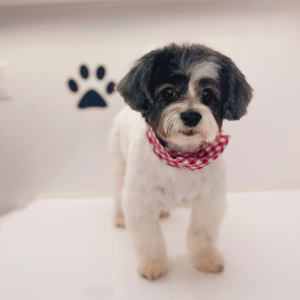
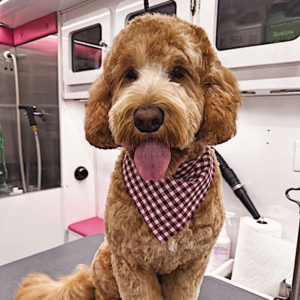
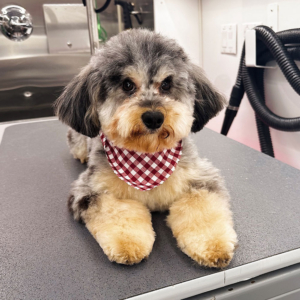
Healthy skin and a beautiful coat do not depend on grooming alone. Nutrition plays a major role in how your dog’s skin functions, how shiny the coat looks, and whether irritation, flaking, or itchiness become ongoing issues.

Dogs need balanced, high-quality nutrition to support the skin barrier and healthy coat growth. Diets with appropriate protein, essential fatty acids, and key nutrients can help support skin moisture, reduce inflammation, and improve overall coat condition.

In some dogs, food can also be part of the allergy picture. Sensitivities to certain ingredients may show up as itching, licking, recurrent ear issues, poor coat quality, or skin inflammation. While environmental triggers are also common, nutrition is one factor that should not be overlooked when skin problems continue.

Pet parents sometimes assume a dull coat or irritated skin is only a grooming issue, but what is happening internally matters too. Even the best bath and brush-out can only do so much if a dog is struggling with chronic inflammation or dietary sensitivities.

Professional grooming and good nutrition work beautifully together. Regular baths, skin-safe products, coat maintenance, and careful observation by an experienced groomer can help keep the skin cleaner and more comfortable, while a veterinarian can help assess whether food changes, supplements, or allergy testing are appropriate.

At H. Williams Mobile Pet Spa, skin and coat changes are taken seriously. If dryness, irritation, redness, hair thinning, or unusual shedding are noticed during an appointment, those observations can help pet parents decide when it may be time to follow up with their veterinarian for deeper evaluation.

Call to action:
Schedule a grooming appointment so your dog’s skin and coat condition can be assessed in a calm, personalized setting.

A well-cared-for dog needs more than grooming, nutrition, and veterinary care. Physical exercise and mental stimulation are also important parts of overall wellness and can help dogs feel calmer, happier, and more balanced at home.

Exercise does not have to mean the same walk every day. Mixing in different activities can help keep your dog engaged while giving them an outlet for energy.

Some excellent options include:

·       Structured neighborhood walks with time to sniff and explore

·       Fetch sessions with cues like sit, stay, and release

·       Backyard obstacle courses using cones, low jumps, or safe objects to weave around

·       Tug games with rules and impulse-control practice

·       Hide-and-seek, where your dog finds a family member or favorite toy

Mental exercise is just as valuable. Dogs often enjoy problem-solving activities that encourage them to use their nose, memory, and focus.

A few easy brain games include:

·       Puzzle toys or food-dispensing enrichment toys

·       Find-it games with treats hidden around one room

·       Basic training refreshers using short, upbeat sessions

·       Name-the-toy games for dogs who enjoy learning words

·       Scent games with cups, boxes, or towels

These activities can be especially helpful for smart, high-energy, or easily bored dogs. Mental stimulation can reduce frustration, support confidence, and often leaves dogs pleasantly tired in a healthy way.

A dog who receives appropriate exercise and enrichment is often easier to groom as well. When dogs are physically fulfilled and mentally settled, they may arrive at appointments calmer and more prepared to enjoy the grooming process.

Call to action:
Call or text 203-900-7704 to book your dog’s next mobile spa appointment.

Matting is one of the most common coat problems dogs face, and it is often far more serious than pet parents realize. When hair becomes tightly tangled close to the skin, it pulls, pinches, and traps heat and moisture. That can lead to irritation, hot spots, hidden sores, infection, and real discomfort with every movement.

Many pet parents do not realize mats are forming because they are often hidden under the surface. A dog’s coat may look fluffy and brushed on top while deep knots are building close to the skin, especially behind the ears, under the legs, around the collar, and near the tail.

Proper brushing needs to be done all the way down to the skin, not just over the surface. Working in small sections helps make sure every layer of the coat is reached.

After brushing, the best way to check your work is with a metal comb. If the comb glides smoothly from skin to tip, the coat is free of tangles in that area. If the comb gets stuck, snags, or will not pass through easily, mats or knots are still there.

This is one of the biggest reasons matting can sneak up on loving pet parents. Surface brushing can make the coat look good, but only a proper section-by-section brush-out followed by a metal comb check tells the full story.

Once mats form, trying to brush them out at home can be painful and frustrating. In more severe cases, it may be kinder and safer to remove the coat shorter and start fresh with a healthier grooming schedule.

At H. Williams Mobile Pet Spa, each appointment includes careful coat assessment, gentle handling, and honest guidance about what is best for your dog’s comfort. Preventing matting is always easier and kinder than correcting it later.

Call to action:
Call or text 203-900-7704 to schedule your dog’s next grooming appointment and keep their coat beautifully mat-free.

Professional grooming appointments are only part of a healthy coat-care routine. What happens between visits matters just as much, especially for dogs with longer, curly, silky, or double coats that can tangle or shed heavily.

Regular brushing helps remove loose hair, distribute natural oils, lift away dirt and debris, reduce tangles, and support healthier skin and coat condition. It can also reduce the chance of compacted undercoat and matting, especially in areas that experience friction, such as under the collar, behind the ears, under the front legs, and around the tail.

One of the most common mistakes pet parents make is brushing only the surface. A coat can look fluffy and neat on top while knots and mats are forming underneath, right against the skin. For brushing to be effective, it needs to be done in small sections all the way down to the skin.

After brushing a section, it is important to go back over it with a metal comb. If the comb glides through smoothly, that area is free of knots. If the comb gets stuck or snags, tangles are still there and need more attention. That simple comb check is one of the best ways to know whether a coat is truly being maintained at home.

The right tools matter too. Depending on your dog’s coat, a slicker brush, pin brush, undercoat rake, or de-shedding tool may help, but the final comb test is what confirms the work is complete. If you are not sure which tools are best for your dog, a professional groomer can guide you.

At H. Williams Mobile Pet Spa, coat maintenance recommendations are personalized for each dog. During appointments, pet parents can receive guidance on home brushing techniques that help preserve longer styles, prevent matting, and keep the coat soft, healthy, and beautiful between spa visits.

Call to action:
Call or text 203-900-7704 for expert guidance and your next grooming visit.

Why Choosing the Right Mobile Groomer Matters

Mobile grooming brings the spa directly to your driveway—but the quality of that experience can vary widely from one company to another. The groomer you choose will be working with your dog one-on-one in a private setting, making trust, professionalism, and expertise especially important.

A great mobile groomer does more than simply bathe and clip your dog. They help maintain skin and coat health, monitor changes over time, and create a calm, predictable experience that your dog can learn to enjoy.


Look for Professional Training, Experience, and Reviews

Start by evaluating a groomer’s background and reputation. Key factors to consider include:

  • Years of experience, especially with your dog’s breed and coat type
  • Ongoing education or certifications in grooming, handling, and pet safety
  • Online reviews that highlight consistency, communication, and gentle handling
  • Before-and-after photos that demonstrate clean, polished, well-executed work

A high-quality mobile groomer should be transparent about their experience and happy to answer questions about their training, techniques, and the products they use.


Prioritize Safety, Cleanliness, and One-on-One Care

Because mobile grooming takes place in a self-contained van, the environment your dog experiences is entirely created by that business. When evaluating options, ask:

  • How is the van cleaned and sanitized between appointments?
  • Are tools and surfaces regularly disinfected?
  • Is each appointment truly one-on-one, or are multiple dogs present?
  • How are senior dogs, anxious dogs, or puppies handled to ensure safety?

A premium mobile groomer should clearly explain their safety protocols, how they prevent cross-contamination, and how they keep dogs secure and supervised at all times.


Evaluate Communication and Transparency

A groomer’s communication style often reflects the level of care they provide. Look for a service that:

  • Responds promptly and clearly to calls, texts, or emails
  • Explains services, pricing, and policies upfront
  • Reviews your dog’s needs before starting (coat condition, health issues, behavior)
  • Provides honest feedback about what is realistic and humane for your dog’s coat

You should feel comfortable asking questions and confident that you’ll be informed about anything noticed during the appointment, such as skin irritation, matting, or coat changes.


Ask About Coat-Specific Knowledge and Maintenance Plans

Different coat types require different care. A groomer experienced with high-maintenance coats (such as doodles, poodles, or long, drop-coated breeds) will know how to:

  • Set a realistic grooming schedule to prevent matting
  • Recommend at-home brushing routines and tools
  • Help you choose a style that fits both your dog and your lifestyle

Ask how often they recommend grooming for your dog’s breed and coat type, and whether they can create a consistent schedule so your dog sees the same professional each time.


Consider the Overall Experience for Your Dog

Beyond technical skills, the right mobile groomer should prioritize your dog’s emotional well-being. Consider asking:

  • How do you introduce nervous or first-time dogs to grooming?
  • What do you do if a dog becomes stressed or fearful?
  • Do you offer shorter introductory sessions for puppies?
  • How do you manage breaks, hydration, and comfort during appointments?

Look for someone who emphasizes gentle handling, patience, and trust-building—not just efficiency.


Red Flags to Watch Out For

While most groomers are dedicated professionals, some warning signs include:

  • Vague answers about experience, products, or safety procedures
  • Avoiding discussion about handling anxious or matted dogs
  • Consistently poor communication or last-minute cancellations
  • Overpromising results on severely matted coats instead of prioritizing the dog’s comfort

If something feels off, it’s perfectly reasonable to keep looking. Your dog’s safety and well-being come first.


Finding the Best Fit for Your Family

The “right” mobile groomer is a combination of skill, safety, convenience, and personal connection. When you find someone who:

  • Makes your dog feel calm and secure
  • Delivers consistent, high-quality grooming
  • Communicates clearly and respectfully

—you’ve found more than a service provider. You’ve gained a trusted partner in your dog’s care.


Call to Action

Call or text 203-900-7704 to schedule a luxury mobile spa appointment for your dog.

We all love running our fingers through a pet’s soft, fluffy coat. It’s one of the best parts of having a furry companion. But for many dog owners, that fluff can quickly turn into a frustrating and painful problem: matting. At H. Williams Mobile Pet Spa, we see firsthand how quickly a few small tangles can escalate into a serious health issue.

While it might look like just a cosmetic mess, a matted coat is much more than a bad hair day. It can hide injuries, restrict movement, and cause your pet significant pain. Understanding how these tangles form—and how to stop them before they start—is crucial for every responsible pet owner.

What Exactly Is Matting?

Matting occurs when a dog’s fur becomes densely tangled and knotted. It often starts with loose, shedding hair that gets trapped in the living topcoat instead of falling out. If this dead hair isn’t brushed out regularly, it wraps around the living hair, creating a tight clump close to the skin.

While any dog with hair can get tangles, certain breeds are much more susceptible. Poodles, Doodles, Cocker Spaniels, and other long-haired or curly-coated breeds are at high risk. Moisture is also a major culprit; if a dog gets wet and isn’t dried and brushed properly, the fur can shrink and tighten as it dries, locking those knots in place.

The Hidden Dangers of Matting

Many owners mistakenly believe that mats are just an aesthetic issue. Unfortunately, severe matting can lead to a host of medical problems that go far beyond a messy appearance.

Skin Irritation and Infections

A thick mat acts like a blanket, trapping moisture, dirt, and heat against the skin. This creates a perfect breeding ground for bacteria and yeast. Without proper airflow, the skin underneath can become raw, inflamed, and infected. In severe cases, we have seen open sores develop simply because the skin could not breathe.

Constant Pain and Discomfort

Imagine wearing a ponytail that is pulled way too tight, 24 hours a day, all over your body. That is what severe matting feels like for a dog. As the mats get tighter, they pull on the skin every time the dog moves. This constant tension can cause bruising and makes simple activities like walking or lying down painful.

Restricted Movement

Mats often form in high-friction areas like the armpits, behind the ears, and around the groin. When fur in these areas tangles into a solid mass, it can physically restrict a dog’s range of motion. A dog with severe matting around the legs may walk with a stilted gait to avoid the pain of the hair pulling.

Hiding Parasites

Fleas and ticks love hiding places, and a matted coat offers them a fortress. Mats prevent you from seeing your dog’s skin clearly, meaning parasites can live undetected underneath the fur, feeding on your pet while being protected from topical treatments or removal.

Prevention Tips for a Healthy Coat

The good news is that matting is almost entirely preventable with the right routine.

Master the Brush

Regular brushing is your first line of defense. However, simply brushing the top layer of fur isn’t enough. You need to use a technique called “line brushing,” where you part the hair to ensure you are brushing all the way down to the skin. This removes the dead undercoat before it has a chance to tangle.

Stick to a Professional Schedule

Even with diligent home care, professional grooming is essential. Groomers have the tools and expertise to handle difficult coat types. Most long-haired breeds should see a professional every 4 to 6 weeks to keep their coat manageable and healthy.

Nutrition Matters

Believe it or not, your dog’s diet plays a role in the state of their coat. High-quality food rich in omega-3 fatty acids can improve skin health and hair texture, making the coat stronger and potentially less prone to tangling.

How H. Williams Mobile Pet Spa Can Help

At H. Williams Mobile Pet Spa, we specialize in maintaining healthy coats without the stress of a salon visit. Our mobile unit comes directly to your driveway, providing a calm, one-on-one environment for your pet.

We offer comprehensive grooming services designed to prevent and address matting. Our groomers can assess the condition of your dog’s coat and recommend the best course of action. For minor tangles, we can carefully brush them out. However, if the matting is severe and causing pain, the kindest and safest option is often a “humanity shave.” This removes the painful mats entirely, allowing the skin to heal and the coat to grow back fresh and healthy.

We also work with you to establish a recurring schedule that suits your dog’s specific breed and lifestyle, ensuring you never have to worry about painful mats again.

Keep Your Pet Comfortable

Your pet relies on you to keep them happy and healthy, and coat care is a huge part of that responsibility. Don’t wait until the tangles are out of control. Preventative maintenance is always cheaper, easier, and less painful than fixing a severe problem later.

If you are noticing tangles you can’t brush out, or if your pup is overdue for a spa day, let us help. Book an appointment with H. Williams Mobile Pet Spa today and give your pet the relief they deserve.

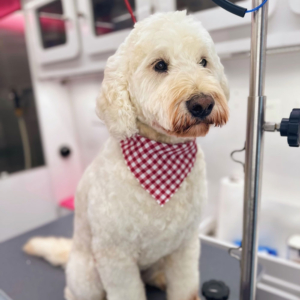
Grooming is an essential part of maintaining a dog’s overall health and well-being. However, the frequency of grooming varies depending on the dog’s breed, coat type, and lifestyle. Below are general guidelines to help pet owners determine how often they should groom their dogs.

Short-Haired Breeds

  • Bathing: Every 4–6 weeks
  • Brushing: Once a week to remove loose hair and distribute natural oils
  • Nail Trimming: Every 2–4 weeks
  • Ear Cleaning: As needed, usually every few weeks

Medium to Long-Haired Breeds

  • Bathing: Every 4–6 weeks
  • Brushing: At least 3–4 times a week to prevent tangles and mats
  • Nail Trimming: Every 2–4 weeks
  • Ear Cleaning: Every 1–2 weeks

Double-Coated Breeds (Huskies, Golden Retrievers, etc.)

  • Bathing: Every 6–8 weeks (more frequently during shedding season)
  • Brushing: Several times a week, daily during shedding season
  • Nail Trimming: Every 2–4 weeks
  • Ear Cleaning: Every 1–2 weeks

Curly or Wavy-Coated Breeds (Poodles, Doodles, etc.)

  • Bathing: Every 4–6 weeks
  • Brushing: Daily to prevent matting
  • Professional Grooming: Every 4–6 weeks for a trim
  • Nail Trimming: Every 2–4 weeks
  • Ear Cleaning: Weekly, as these breeds are prone to ear infections

Wire-Haired and Terrier Breeds

  • Bathing: Every 6–8 weeks
  • Brushing: 2–3 times per week
  • Hand-Stripping (if applicable): Every 4–6 weeks
  • Nail Trimming: Every 2–4 weeks
  • Ear Cleaning: Every 1–2 weeks

Hairless Breeds

  • Bathing: Weekly or bi-weekly to prevent skin issues
  • Moisturizing: Regularly, as their skin can dry out easily
  • Nail Trimming: Every 2–4 weeks
  • Ear Cleaning: Every 1–2 weeks

Factors That May Affect Grooming Frequency

  • Lifestyle: Active dogs that spend time outdoors may require more frequent grooming.
  • Allergies or Skin Conditions: Some dogs require special grooming routines to manage skin health.
  • Shedding Seasons: Dogs with seasonal shedding may need extra brushing during these periods.

Regular grooming helps keep a dog’s coat healthy, reduces shedding, and prevents skin issues. Professional grooming services, such as those offered by H. Williams Mobile Pet Spa, ensure that dogs receive the best care tailored to their specific coat and health needs.

Let’s face it—nobody wakes up excited about brushing their dog… except maybe your dog (if treats are involved). But here’s the thing: matting isn’t just a bad hair day for your pup. It can be uncomfortable, cause skin problems, and turn grooming time into a battle of wills. The good news? We’ve got the ultimate, easy-breezy guide to keep those mats at bay and your dog looking fabulous.v

What Even Is Matting?

Imagine wearing the same knotted-up hoodie for weeks. Uncomfy, right? That’s kind of how mats feel for your dog. Mats happen when loose fur tangles up with itself, and they love to form in places where there’s friction (like under collars, behind ears, and around the legs). Dogs with long, curly, or double coats are basically magnets for mats.

Your Mat-Fighting Arsenal (a.k.a. The Tools You Need)

  • Slicker Brush: Like the Swiss Army knife of dog brushes. Great for detangling and removing loose fur.
  • Comb: Wide-tooth for tackling tangles, fine-tooth for that finishing touch.
  • Dematting Tool (Optional): For stubborn mats, but handle with care—it’s not a chainsaw.
  • Detangling Spray: The secret sauce for smooth brushing sessions.

Brushing Like a Pro (Step-by-Step)

  1. Clean and Dry First: Brushing dirty, wet fur is like trying to detangle headphone wires that’ve been in your pocket for a week. Nope.
  2. Break It Down: Don’t just attack the whole coat at once. Work in small sections so you don’t miss a spot.
  3. Slicker Brush Magic: Gently brush in the direction the fur grows. Light strokes = happy dog.
  4. The Comb Test: After brushing a section, run the comb through. If it glides like butter, you’re good. If it snags, go back for a touch-up.
  5. Taming the Tough Mats: Hold the fur close to the skin to avoid pulling, spritz some detangling spray, and gently work through with your comb or dematting tool.
  6. Stay Chill: Keep it positive with breaks, belly rubs, and treats. Brushing time = bonding time.

How Often Should You Brush? (Spoiler: It Depends)

  • Short-haired Dogs: Once a week. Easy peasy.
  • Long-haired or Double-coated Dogs: Several times a week. Think of it like regular hair maintenance.
  • Curly or Wavy Coats: Daily. Yep, daily. Your future self (and your groomer) will thank you.

Pro Tips for Tangle-Free, Fabulous Fur

  • Schedule Regular Grooming: A professional groomer can be your secret weapon against mats.
  • Target the Trouble Spots: Behind the ears, under the legs, around the collar… mats love these areas. Show them who’s boss.
  • Don’t Procrastinate: Tiny mats grow into monster mats fast. Deal with them when they’re small.

When to Call in the Pros

Got a mat that’s tighter than your last pair of skinny jeans? Don’t risk it with scissors. Seriously. One slip and your dog might end up with an unwanted haircut… or worse. Let a pro handle it safely.

Why Regular Brushing is Totally Worth It

Not only does brushing prevent mats, but it also keeps your dog’s skin healthy, reduces shedding (yay, less fur tumbleweeds!), and strengthens your bond. Plus, you get to be the proud owner of the best-looking dog on the block.

So grab your brush, your treats, and maybe your favorite playlist. Let’s turn brushing into a fun routine, not a chore!