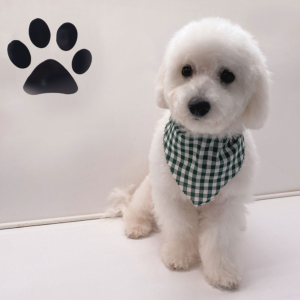
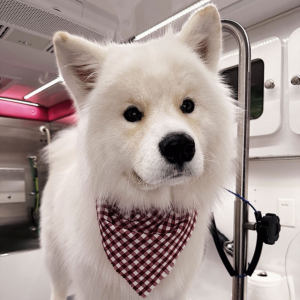
If you’ve never used a mobile groomer before, it can be hard to picture what actually happens. Do we just pull up, grab your dog, and disappear? Not quite. Here’s a simple walkthrough of what a typical mobile grooming appointment looks like with H. Williams Mobile Pet Spa.

Arrival and greeting

We park our fully equipped mobile spa in a safe, convenient spot near your home. After a quick hello at the door, we meet your dog, go over any special requests or concerns, and confirm the plan for the appointment.

This is a great time to mention things like:

  • Any medical issues or sensitivities
  • Preferences for length, style, or face/feet/tail
  • Behavior quirks we should know about

Getting settled in the spa

Your dog is brought into the van, where the environment is quiet, clean, and set up just for them. There are no other dogs waiting or watching, which helps many pets relax.

We’ll secure your dog safely on the grooming table and begin with a quick once‑over: checking coat condition, looking for mats, and noting any skin or ear concerns we should mention to you later.

Bath time

Next comes the bath. We use professional‑grade shampoos and conditioners chosen for your dog’s coat and skin type. Water temperature and pressure are adjusted to keep your pet comfortable.

During the bath, we:

  • Thoroughly wet and lather the coat
  • Gently clean the face and ears
  • Rinse carefully to remove all product

Afterward, your dog is towel‑dried and then dried with a grooming dryer, which also helps fluff the coat for brushing and styling. We also use Happy Hoodies—soft, stretchy bands that gently cover your dog’s ears—to help lessen dryer noise and provide a cozy, swaddled feeling. This helps reduce sound sensitivity and protects the ears while we dry.

Brushing, drying, and coat prep

Once the coat is mostly dry, we brush it out to remove tangles and loose hair. This step is essential for a smooth, even trim. Depending on your dog’s coat and needs, we may:

  • Use a slicker brush and comb to work through the coat
  • Do de‑shedding for double‑coated breeds
  • Address any small tangles before they become mats

We’ll always balance appearance with your dog’s comfort—if something is too tight or painful to brush out, we’ll discuss a kinder option.

The haircut and finishing touches

With the coat prepped, we move on to the haircut or trim you’ve requested. This may include:

  • Body trim to your preferred length
  • Face, feet, and tail styling
  • Sanitary trim for cleanliness

We also take care of the basics, such as:

  • Nail trimming and smoothing
  • Ear cleaning
  • Paw pad and sanitary area tidying

Throughout, your dog stays in the same calm, one‑on‑one environment, which makes the process smoother and less stressful.

Wrap‑up and review

When your dog is finished, we bring them back inside and review what we did. We’ll let you know:

  • How your dog did during the groom
  • Anything we noticed (such as mats, lumps, skin irritation, or ear issues you might want to monitor)
  • Recommended timing for the next appointment

This is your chance to ask questions, adjust future preferences, or get tips on at‑home care between grooms.

Why many families love mobile grooming

For busy households and sensitive pets, mobile grooming offers:

  • Convenience (we come to you)
  • Less stress (no car rides or crowded salons)
  • Personalized attention (your pet is our only focus)

If you’ve been curious about what happens inside the mobile spa, now you know—it’s a full, professional grooming experience brought right to your driveway, complete with thoughtful touches like Happy Hoodies to keep things as calm and comfortable as possible.
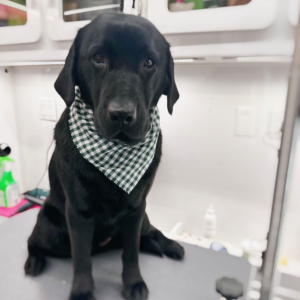
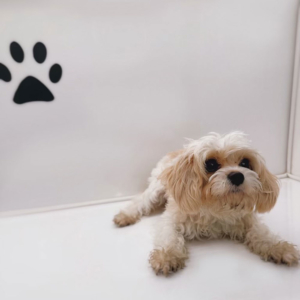
Doodles are everywhere in Greenwich and the surrounding towns—and for good reason. They’re adorable, social, and their coats can be gorgeous. But that beautiful, fluffy coat can also be a lot of work. Without regular maintenance, doodle coats love to mat and tangle.

Why doodle coats mat so easily

Many doodles inherit a mix of curl, wave, and density from their parent breeds. That combination tends to trap loose hair and friction at the armpits, behind the ears, around the collar, and where the harness sits.

When tangles aren’t brushed out, they tighten over time and become mats. Mats can:

  • Pull on the skin and cause discomfort
  • Trap moisture and dirt
  • Hide skin irritation or even parasites
  • Make gentle brushing impossible, because it hurts

At that point, a close shave‑down may be the only truly humane option.

Brushing routines that actually work

The key to keeping your doodle fluffy is consistency, not marathon brushing sessions once in a while. A realistic at‑home routine might look like:

  • 3–4 times a week:
    • Use a slicker brush to go over the entire body in sections
    • Follow up with a metal comb, especially in tangle‑prone areas (behind ears, armpits, tail, legs, collar area)
  • Keep coats at a manageable length:
    • If your doodle doesn’t tolerate brushing well or your schedule is tight, a shorter, more practical length is kinder than trying to maintain a very long, “teddy bear” coat

If the comb can’t glide to the skin without catching, mats are already forming.

How often should doodles be professionally groomed?

Most doodles do best with professional grooming every 4–8 weeks, depending on:

  • Coat type (more curl and density usually means more upkeep)
  • How often you brush at home
  • Your preferred style and length

Regular grooms allow us to thoroughly bathe, blow‑dry, and brush out the coat before it mats. They also give us a chance to trim around the eyes, paws, and sanitary areas for comfort and cleanliness.

Communication that prevents the dreaded shave‑down

One of the biggest heartbreaks for doodle owners is hearing, “We had to shave your dog very short due to matting.” Clear communication helps avoid that surprise.

Before the groom, it helps to:

  • Be honest about how often you brush and what your dog tolerates
  • Ask your groomer to show you any mats they find and explain your options
  • Decide what’s more important right now: length or comfort

Sometimes, if the coat is badly matted, the kindest option is a reset clip and a plan for a more manageable style going forward.

How H. Williams supports doodle owners

At H. Williams Mobile Pet Spa, we see many doodles throughout Greenwich, Stamford, Rye, New Canaan, and surrounding areas. We love working with you to find a style that fits your dog’s lifestyle and your routine—whether that’s a cute, practical length or a fluffier look paired with a committed brushing schedule.

We’re happy to show you the right tools and techniques during your appointment so you feel confident caring for your doodle’s coat between visits.

As dogs get older—or if they’re naturally nervous—the grooming process can start to feel overwhelming. Long car rides, loud salons, and busy waiting rooms can turn a simple bath into a stressful event. Mobile grooming offers a gentler, more comfortable option for many senior and anxious dogs.

Less travel, less stress

For a lot of dogs, the hardest part of grooming isn’t the bath or the haircut—it’s getting there. Seniors may struggle getting in and out of the car, and anxious dogs may shake the whole ride.

With mobile grooming, we come to you. That means:

  • No car trips, traffic, or parking
  • No crowded lobby or noisy kennel area
  • Your dog goes straight from your front door into a calm, quiet grooming environment

For older dogs with joint pain or limited mobility, this alone can make grooming much more manageable.

One‑on‑one attention

In a traditional salon, groomers often juggle several dogs at once. In a mobile spa, your dog is our only focus. That gives us time to go at their pace and adjust the experience to their comfort level.

For senior and anxious dogs, that looks like:

  • Moving more slowly and gently, with extra support for stiff joints
  • Keeping sessions as efficient as possible so they’re not on their feet longer than necessary
  • Using calm voices and low‑stress handling techniques
  • Taking breaks if your dog needs a moment to regroup

This individualized attention helps nervous dogs build trust and makes seniors feel more secure.

A familiar environment

An anxious dog is often more relaxed simply because they’re at home. They see their own yard, hear familiar sounds, and know their people are nearby.

When your dog steps into the mobile spa just outside your home, they’re not dealing with a new building full of unfamiliar dogs and smells. For many pets, that alone significantly lowers anxiety and makes future grooms easier.

Tailoring the groom for comfort

Senior and anxious dogs don’t always need the same groom as a young, carefree pup. Their comfort comes first. That may mean:

  • Shorter sessions and simpler styles
  • Skipping nonessential extras if your dog is tired or worried
  • Adjusting water temperature and pressure for sensitive skin
  • Using products chosen for fragile coats or older skin

We’ll always talk with you about what’s realistic and kindest for your individual dog, so they stay clean and comfortable without unnecessary stress.

How H. Williams Mobile Pet Spa supports your special dog

At H. Williams, we groom many seniors and sensitive dogs throughout Greenwich, Stamford, Rye, New Canaan, and nearby communities. We get to know your dog over time—what makes them nervous, what helps them relax, and how to make each visit smoother than the last.

If you have a senior or anxious dog and you’re worried about how they’ll handle grooming, we’re happy to discuss options and come up with a plan that works for both of you.

Click‑click‑click on the hardwood floors. Long nails are more than just a noise—they can be uncomfortable for your dog and even affect the way they stand and walk. One of the biggest reasons regular nail trims are so important is something many owners don’t see: the quick.

What is the quick, and why does it matter?

Inside each nail is the quick, which contains nerves and blood supply. When a nail is trimmed too far and bleeds, that’s the quick being cut—painful for your dog and stressful for everyone.

Here’s the part most people don’t realize:

  • When a dog’s nails are allowed to grow long, the quick grows longer with them
  • The longer the quick becomes, the harder it is to safely trim the nail back to a short, healthy length
  • Even if you want “short nails,” we can’t always safely make them short in one session if the quick has already grown out

Regular trims help keep the quick short. Once the nails and quick are both long, it often takes multiple, carefully timed trims to gradually encourage the quick to recede.

What happens when nails stay too long

Overgrown nails can cause more than just clicking on the floor. They can:

  • Put constant pressure on the toes and joints
  • Change your dog’s posture and gait over time
  • Make it harder for your dog to get good traction
  • Crack or split, which can be painful and may bleed
  • Curl toward the paw pads in severe cases

When nails are very long and the quick is long as well, we can only safely take off so much at once. That means your dog may need a series of more frequent trims to slowly bring the nails back to a healthier length.

How regular trimming protects the quick

The goal with nail care is to never let the nails get so long that the quick has a chance to move far down the nail. A consistent schedule makes all the difference.

Typically, that means:

  • Many dogs do well with trims every 3–6 weeks, depending on activity level and the surface they walk on
  • Dogs who don’t walk much on pavement, or who have naturally fast‑growing nails, may need them trimmed more often
  • For dogs whose quicks are already long, a series of shorter, more frequent trims can gradually encourage the quick to recede

By staying ahead of overgrowth, we can keep nails at a comfortable length without risking the quick each time.

Why this matters for your dog’s comfort

Shorter nails and a short quick mean:

  • Less pressure on the toes and joints
  • Better posture and mobility
  • Fewer painful splits and snags
  • Safer, more comfortable movement on slippery floors

For senior dogs, pets with arthritis, or dogs with existing orthopedic issues, keeping nails appropriately short is a simple but powerful way to support their comfort.

How H. Williams Mobile Pet Spa can help

At H. Williams Mobile Pet Spa, nail trimming is part of our standard grooming service, and we can also discuss more frequent nail‑only visits when appropriate. Because we come to you and work one‑on‑one in our mobile spa, many dogs find nail care far less stressful than in a busy salon.

We’re happy to:

  • Assess your dog’s current nail and quick length
  • Recommend how often they should be trimmed to reach and maintain a healthy length
  • Create a plan if your dog’s quicks are already long and need gradual, careful work

If you’re hearing more clicking than you’d like—or you’ve been told your dog’s nails “can’t go any shorter” in one visit—reach out and we’ll help you get them on a safe, regular schedule.

If you’ve ever noticed your dog scooting across the floor or smelled that unmistakable “fishy” odor, you’ve probably heard someone say, “It might be their anal glands.” It’s not a glamorous topic, but understanding what groomers do versus what veterinarians do can keep your dog comfortable and help prevent bigger health issues.

What are anal glands, anyway?

Dogs have two small scent sacs, called anal glands, just inside their rear end at about the 4 and 8 o’clock positions. Each time your dog has a firm bowel movement, a bit of this fluid should naturally empty, leaving their personal scent “signature” behind.

When these sacs don’t empty well, fluid can build up and become thick or painful. Common signs include:

  • Scooting on the floor

  • Licking or chewing under the tail

  • A sudden strong, fishy odor

  • Discomfort when sitting or going to the bathroom

That’s usually when owners start asking about anal gland expression.

What your groomer typically does

During a grooming appointment, some groomers will perform what’s called external anal gland expression. This is a quick, surface‑level technique.

External expression means the groomer gently applies pressure from the outside of the anus where the glands sit, to help release fluid if it is loose and ready to come out. The area is then cleaned and washed during the bath so your dog doesn’t go home smelling unpleasant.

External expression can be helpful for some dogs that get a bit “full” but are otherwise healthy. However, many experienced groomers are cautious about doing glands routinely because too‑frequent or forceful squeezing can:

  • Irritate the glands and surrounding tissue

  • Reduce the glands’ natural ability to empty on their own

  • Mask underlying problems that should be seen by a veterinarian

At H. Williams, we believe in a conservative, comfort‑first approach. We may perform gentle, external expression when appropriate and requested, and we stop and recommend a vet visit if there is pain, swelling, blood, or anything that doesn’t feel normal.

What your veterinarian does

Veterinarians and licensed vet technicians can go further than a groomer when it comes to anal glands. They perform internal expression and can diagnose and treat medical problems.

Internal expression usually includes:

  • A lubricated, gloved finger gently inserted just inside the rectum to locate and fully empty each gland from the inside

  • A check for thickened secretions, inflammation, abscesses, or growths while they’re expressing the glands

  • Treatment if needed, such as flushing the glands, applying medication, prescribing antibiotics or pain relief, or investigating allergies and diet if problems keep coming back

Internal expression and a full exam are especially important when your dog seems painful, you see swelling or redness, there is blood or pus, or the glands seem to need attention very frequently. Those are all “vet jobs,” not grooming add‑ons.

When to call the groomer vs. the vet

A simple way to think about it:

  • Occasional scooting, no pain: ask your groomer or vet for guidance

  • Strong fishy odor, dog otherwise normal: ask the groomer; see the vet if it keeps coming back

  • Pain, swelling, blood, or open sores: go straight to your veterinarian

It’s also worth noting that not every dog needs regular manual expression at all. Many dogs with firm, healthy stools empty their glands naturally, and routinely squeezing healthy glands “just because” may create more dependence on manual emptying.

Our approach at H. Williams Mobile Pet Spa

Because we work in a calm, one‑on‑one environment right at your home, we get to know your dog’s normal behavior and comfort level very well. That helps us spot when something seems off.

We always keep your pet’s comfort and safety first. During a groom, we visually check the rear area for anything that looks unusual. We may perform gentle, external anal gland expression when appropriate and requested, and we will always recommend a veterinarian if something seems painful or abnormal.

If you’re ever unsure whether your dog’s anal glands are a grooming issue or a medical issue, just ask—we’re happy to help you decide the right next step.

A professional de-shedding treatment is designed to remove loose undercoat and dead hair more effectively than regular brushing alone. It usually includes a deep-cleaning bath, coat-conditioning products, high-velocity drying, and thorough brushing to lift away as much loose hair as possible.

De-shedding treatments are especially helpful for double-coated dogs and heavy shedders. They reduce loose hair in the home, support healthier skin and coat, improve comfort, and help prevent compacted undercoat.

Many double-coated breeds blow their coats seasonally, usually in the spring and sometimes again in the fall. During these times, large amounts of undercoat are released over a relatively short period, and a professional de-shedding treatment can make that process much easier to manage.

Dogs that often benefit most include Labrador Retrievers, Golden Retrievers, German Shepherds, Huskies, Pomeranians, Corgis, and many mixed breeds with similar coat types.

De-shedding is very different from shaving. For most double-coated dogs, shaving is not the right solution and can create long-term coat issues. A proper de-shedding treatment keeps the coat healthy while removing the hair that is ready to come out.

Regular de-shedding appointments can make a major difference in how much your dog sheds at home and how comfortable they feel year-round.

Call to action:
Call or text 203-900-7704 to ask about adding a professional de-shedding treatment to your dog’s next mobile spa appointment.

Nail trimming is one of the most overlooked parts of dog grooming, but it has a huge impact on comfort, joint health, and long-term mobility. When nails are kept at an appropriate length, your dog can stand and walk with a normal, healthy posture. When they are too long, every step can become uncomfortable or even painful.

Inside each nail is a sensitive structure called the quick, which contains blood vessels and nerves. When nails are allowed to grow too long, the quick grows longer too.

That means if a dog’s nails are overgrown, they cannot be cut as short as they should ideally be in just one visit. Trying to remove too much at once can cause bleeding, pain, and fear.

The safest way to correct long nails is with small, frequent trims over time. As the nails are shortened gradually, the quick can slowly recede, allowing the nails to get healthier and shorter.

Regular nail care helps protect your dog’s posture, movement, and comfort. It also reduces the risk of torn nails, curled nails, and joint strain.

A professional groomer can safely trim nails, work with anxious dogs, and help create a schedule that supports healthy nail length over time.

Call to action:
Call or text 203-900-7704 to schedule your dog’s next grooming and nail-care appointment.

Mobile grooming brings the spa to your driveway, but the quality of experience can vary widely from one company to another. The groomer you choose will be handling your dog one-on-one in a private setting, making trust, professionalism, and expertise especially important.

A great mobile groomer does more than bathe and clip your dog. They help maintain skin and coat health, monitor changes over time, and create a calm, predictable experience that your dog can learn to enjoy.

When looking for the right groomer, consider experience, breed-specific knowledge, reviews, communication, cleanliness, and how the business handles safety. You want someone who is transparent, responsive, and clearly committed to your dog’s comfort.

It is also important to ask how the groomer works with puppies, seniors, anxious dogs, or heavily matted coats. A thoughtful groomer will prioritize humane care and honest guidance rather than unrealistic promises.

The right mobile groomer is not just someone who makes your dog look nice. It is someone who becomes a trusted partner in your dog’s ongoing care.

Call to action:
Call or text 203-900-7704 to schedule a luxury mobile spa appointment for your dog.

Mobile grooming has become a favorite choice for busy pet parents who want the very best for their dogs without the stress of a traditional salon. Instead of drop-off, waiting, and pick-up, a professional grooming van arrives at your driveway and provides a one-on-one spa experience right outside your home.

Because your dog is the only pet being groomed at that time, there are no crowded lobbies, no long holding periods, and no unnecessary exposure to unfamiliar dogs. This creates a calmer, more controlled environment that is especially helpful for anxious dogs, seniors, puppies, and pets who do not enjoy the noise and activity of a busy salon.

For families, mobile grooming also means less driving and less disruption to the day. It is a convenient way to give your dog high-quality care while keeping your schedule more manageable.

A luxury mobile grooming service is about more than convenience. It also provides individualized attention, a quieter setting, and coat care tailored to your dog’s specific needs.

For pet parents in Greenwich, Darien, New Canaan, Stamford, Rye, and nearby communities, it offers an easier and more personalized grooming experience that fits beautifully into a busy lifestyle.

Call to action:
Call or text 203-900-7704 to schedule your dog’s luxury mobile spa appointment.

A puppy’s first grooming experiences shape how they will feel about baths, brushing, nail trims, and handling for the rest of their life. When done gently and consistently, grooming becomes a normal and positive part of their routine instead of something unfamiliar or stressful.

Early puppy grooming helps build confidence, trust, and comfort with the sounds, tools, and touch involved in the process. It also helps puppies become used to having their paws, ears, face, and body handled, which is important for both grooming and veterinary care.

At H. Williams Mobile Pet Spa, puppies are introduced to grooming slowly and kindly. The focus is on making the experience calm and positive, with simple brushing, gentle handling, and lots of reassurance.

Short, regular sessions are especially important for puppies. Instead of waiting until the dog badly needs a full haircut, early visits help make grooming feel familiar and safe.

When puppies are groomed regularly, they are much less likely to grow up fearful of the process. That makes future appointments easier, more comfortable, and safer for everyone involved.

Regular grooming also supports skin and coat health from the beginning. It keeps hygiene on track and helps pet parents establish a consistent routine that benefits their dog for life.

Call to action:
Call or text 203-900-7704 to ask about puppy grooming and give your dog the best possible start.